polski
 español

 Magdalena Szypulska
Hand the director a crumpled napkin of chaotic notes, and your movie becomes a disjointed mess that audiences ignore. Hand them a polished, precise script, and you position yourself for an Oscar in the search engine world: rapid indexation and prime-time visibility.
In the ruthless 24-hour news cycle, where portals publish hundreds of stories a day, the sitemap has graduated from a technical backstage pass to the strategic heartbeat of your communication with Google. Mishandle it, and you are fast-tracking your site to digital oblivion. This guide is your roadmap to turning a simple XML file into a survival engine for your portal.
In short
What is a sitemap?
It's not just a file directory; it's a direct hotline to search engines. It acts as an accelerator for indexation, telling Google exactly what content is fresh and ready to be crawled.
Do sitemaps affect rankings?
No, sitemaps are not a direct ranking factor. However, they are essential for rapid indexation—if Google doesn't index your site, you cannot rank at all.
What are the rules for Google News Sitemaps?
They must only include articles published in the last 48 hours, contain a maximum of 1,000 URLs, and be updated in real-time as news breaks.
How to manage sitemaps for large portals?
Use a Sitemap Index (a master map) and strategically segment your sitemaps by content type (e.g., news, evergreen, video). This allows for powerful diagnostics in Google Search Console.
Why are sitemaps critical in the AI era?
AI models crave structured data. A clean sitemap acts as a trusted data pipeline. When combined with Schema.org (like NewsArticle), it builds E-E-A-T and teaches AI where to find your most authoritative work.
Table of contents
- Back to Basics: Rethinking Sitemaps
- Busting the Myth: Do Sitemaps Affect Rankings?
- Technical Foundations and Protocol Limitations
- The Google News Sitemap: Your Ticket to Instant Visibility
- Architecture for Giants: Managing Sitemaps for Large Portals
- Sitemap Hygiene: A Manifesto for Quality
- Tools and Practice: From Generation to Troubleshooting
- Sitemaps in the Era of AI and New Algorithms
- Summary: Future-Proofing Your Sitemap
Back to Basics: Rethinking Sitemaps
Gone are the days when a sitemap was just a dusty file directory. For modern publishers, the sitemap is a direct hotline to search engines.
Think of it as a structured broadcast signal that cuts through the noise of the internet to tell Google: "Here is my breaking story, freshly updated, and ready for the spotlight." It shifts the dynamic from passive waiting to active notification.
Busting the Myth: Do Sitemaps Affect Rankings?
Let’s kill a common myth right now: putting a URL in a sitemap does not magically boost its ranking. Google has been crystal clear on this - sitemaps are not a ranking factor.
But they are something arguably more important: they are the accelerator for indexation.
Indexation is the moment Google "sees" you. Without it, your Pulitzer-worthy article is invisible - a ghost in the machine. If you're struggling to get noticed, find out why you might be invisible on Google and how to fix it. A sitemap is your personal courier, bypassing the queue to deliver your content directly to Google’s front door.
Technical Foundations and Protocol Limitations
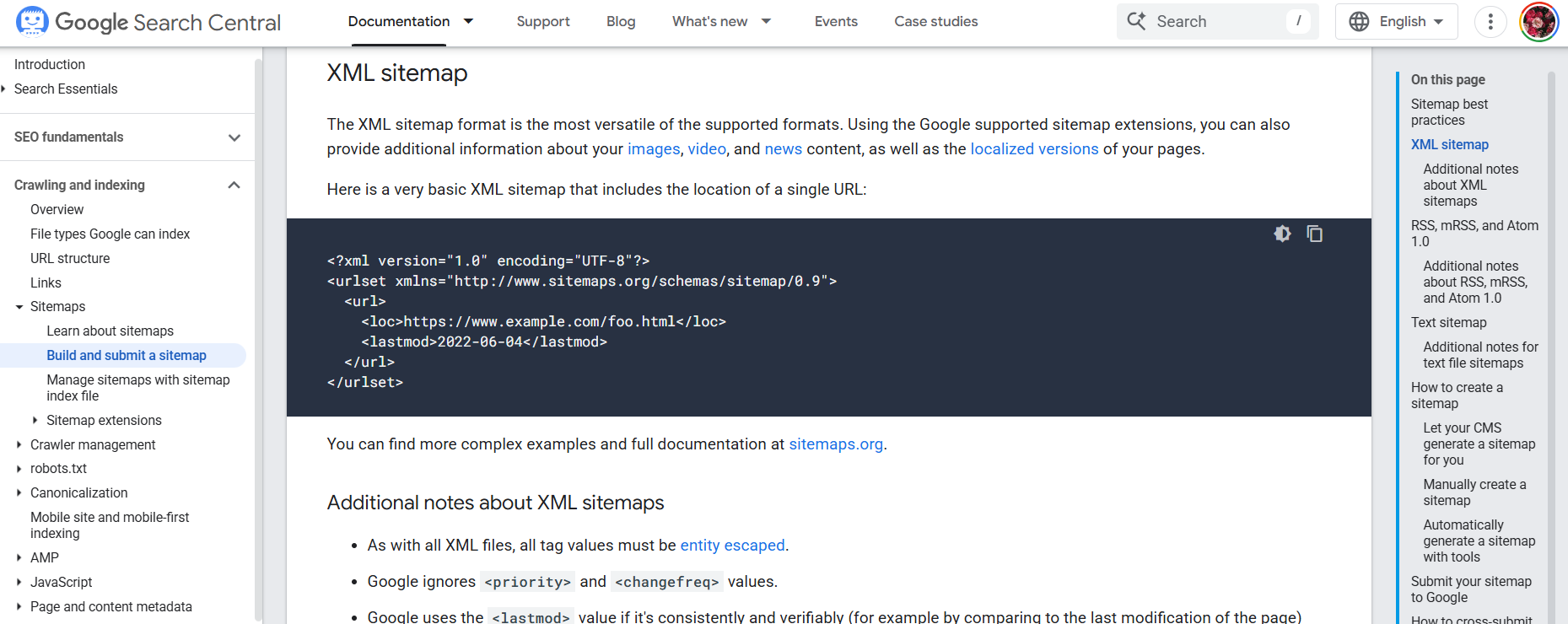
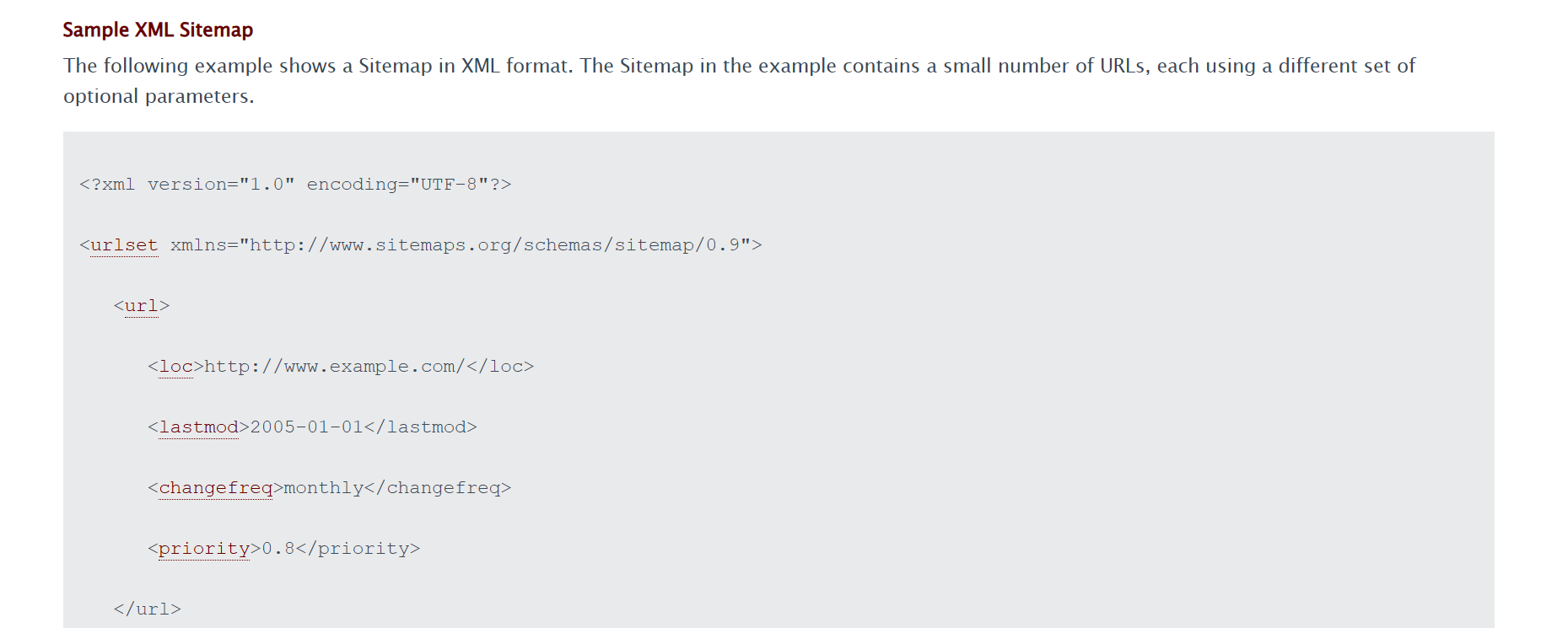
The standard XML format is the industry standard, but it comes with non-negotiable constraints:
- 50,000 URL Limit: The hard ceiling for a single file.
- 50 MB Limit: The maximum weight for an uncompressed file.
- UTF-8 Encoding: The universal language for character recognition.
Every URL lives inside a <loc> tag. Speaking of keeping things clean, you should check out the ultimate guide to URL structure for SEO. While you might be tempted to micromanage with optional tags like <changefreq> (how often it changes) or <priority> (how important it is), save your energy. Google admits it largely ignores these.
The only optional tag that demands your attention is <lastmod>. If you provide a truthful, accurate timestamp of the last update, Google will treat it as a trusted signal of freshness. Lie about it, and they will ignore it forever.
The Google News Sitemap: Your Ticket to Instant Visibility
For a news publisher, Google News and the "Top Stories" carousel are the main stage. To get on that stage, you need a VIP pass: the Google News Sitemap.
This isn't just a standard map; it's a specialized, high-velocity feed subject to strict policing. And to keep things running at that high velocity, don't forget to dial in your Google Core Web Vitals too.
Key Rules for Google News Sitemaps
Break these rules, and your VIP pass gets revoked:
- The 48-Hour Cliff: This map is for news. It must contain only articles published in the last 48 hours. Once a story is older, it must be evicted from this map immediately.
- The 1,000 URL Cap: Unlike the standard 50k limit, the news map is tighter. You get 1,000 URLs max. If you are a publishing giant breaking more news than that, you need to split your maps.
- Real-Time Pulse: This file must breathe with your site. Updating it once a day is obsolete; it needs to update as the news breaks.
Technical Structure of the News Map
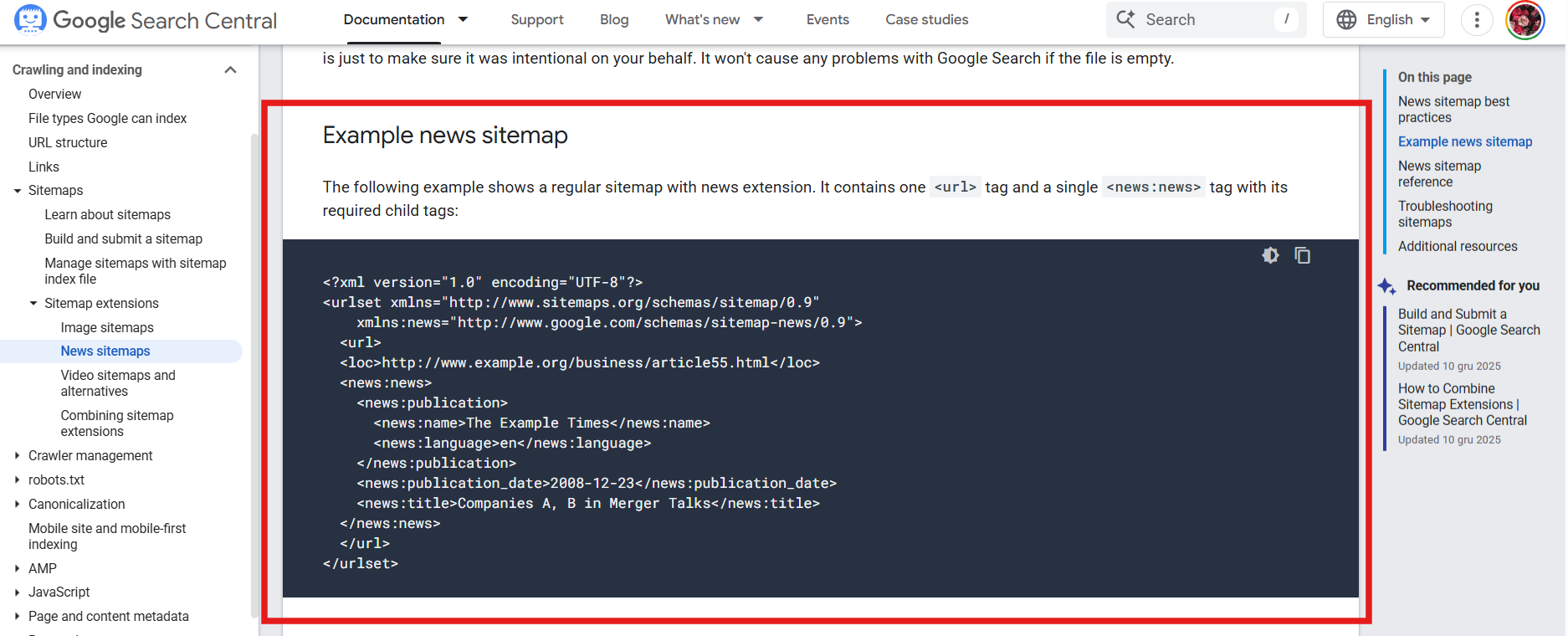
Every URL here carries extra luggage-the <news:news> block-which acts as its ID card:
- <news:publication>: Your media outlet's credentials.
- <news:name>: Must match your name in the Google Publisher Center character-for-character.
- <news:publication_date>: The heartbeat of the story-the W3C timestamp.
- <news:title>: The headline, verbatim.
Most modern CMS platforms built for media handle this heavy lifting automatically, but you must ensure the machinery is working.
Architecture for Giants: Managing Sitemaps for Large Portals
When your portal scales to tens of thousands of articles, a single map becomes a bottleneck. You need to upgrade to a Sitemap Index.
The Index File: Mission Control
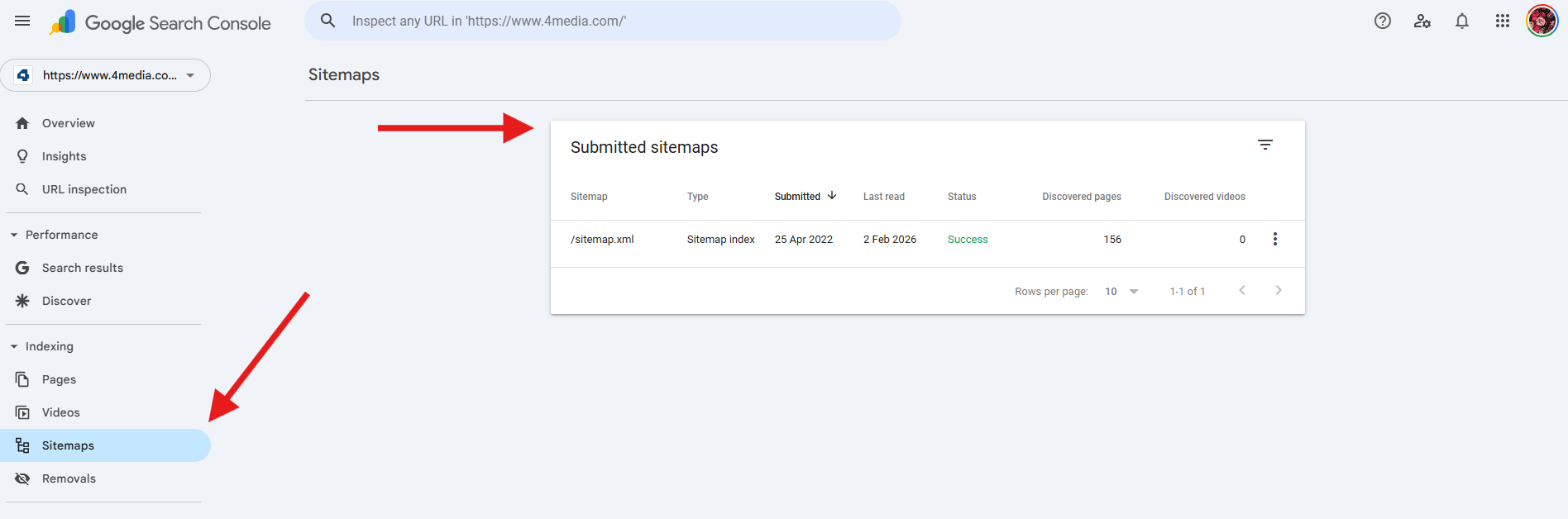
The Sitemap Index is the "Master Map"-a container that holds links to other sitemaps, not articles. It allows you to submit just one URL to Google Search Console while managing a sprawling empire of content underneath.
Strategic Segmentation: The Key to Powerful Diagnostics
Here is where the pros separate themselves from the amateurs. Don't just split your maps arbitrarily (Sitemap 1, Sitemap 2). Segment them by strategy.
Imagine organizing a library. You wouldn't throw magazines, encyclopedias, and DVDs into one pile. You separate them to track their popularity. Of course, maps only work well if your foundation is solid, so take a moment to learn about site structure optimization to build an architecture that Google loves.
A smart architecture for a news portal looks like this:
- news-sitemap.xml: The 48-hour fresh feed.
- articles-archive-sitemap.xml: The deep history.
- evergreen-content-sitemap.xml: The timeless guides and analyses.
- video-sitemap.xml: Your multimedia assets.
- image-sitemap.xml: Your visual journalism.
The Payoff: When you open Google Search Console, you don't just see a vague "80% indexation" rate. You see that your News Map is healthy at 99%, but your Evergreen Map is suffering at 40%. Strategic segmentation turns data into actionable diagnostics.
Sitemap Hygiene: A Manifesto for Quality
Your sitemap is a curated playlist of your greatest hits, not a dumping ground for B-sides and outtakes. It must contain only pristine, canonical, 200 OK URLs.
Purge the "digital trash":
- Duplicates: Only the canonical version belongs here. If you run paid content, knowing how to use the canonical tag in sponsored content is a must.
- Redirects (301s): Don't make bots jump through hoops.
- Blocked Pages: If robots.txt blocks it, don't put it in the map.
- Errors (404s): Dead links are a waste of resources.
Every bad URL in your sitemap burns your crawl budget-the limited time Google spends on your site. Don't waste the director's time sending them to a locked set.
Tools and Practice: From Generation to Troubleshooting
Choosing Your Tools
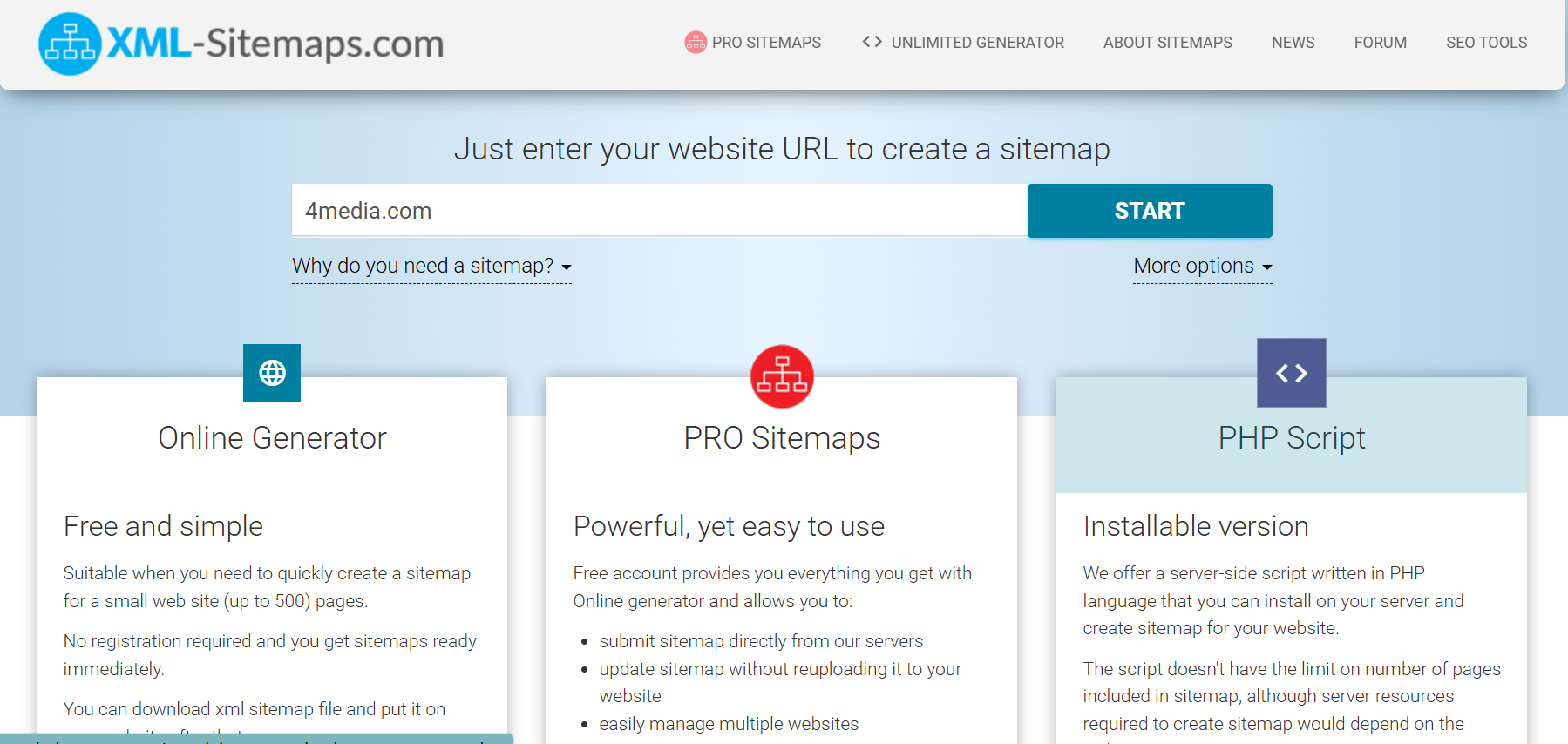
- Online Generators: Cute for blogs, useless for news portals.
- Desktop Crawlers (Screaming Frog, Sitebulb): The surgeon's scalpel. Essential for auditing your maps and finding the rot before Google does.
WordPress Plugins (Yoast SEO, Rank Math): The industry standards. While Yoast often fences off News Sitemaps behind a paywall, Rank Math is a favorite among publishers for including these features in its Pro tier.
The Implementation and Monitoring Process
- Generate & Validate: Build it, then stress-test it with an XML validator.
- Submit: Feed the Index URL to Google Search Console. To get the best insights out of it, check out our technical guide to Google Analytics 4 and Search Console.
- Signal: Add the line "Sitemap: https://www.google.com/search?q=https://yourdomain.com/sitemap_index.xml" to your robots.txt file. It’s a beacon for every crawler on the web.
- Watch: "Empty Sitemap" is fine for a news map on a slow day. "Could not fetch" is a red alert. Monitor GSC like a hawk.
Sitemaps in the Era of AI and New Algorithms
The game is changing. With AI Overviews (formerly SGE) reshaping search, the sitemap is taking on a new role. You definitely need to know how to survive and rank in the era of generative search.
Helpful Content and the Cleanliness Mandate
Google's algorithms now judge the "Helpfulness" of your site as a whole. A sitemap filled with low-quality fluff drags down your premium content. If you regularly publish paid pieces, brushing up on how to write a good sponsored article keeps your overall site quality high. Your sitemap must become a manifesto of quality-a signal to Google that this is the content you stand behind.
Feeding the AI
AI models are hungry for data, but they crave structure. If you're using AI for your drafting process, make sure you know the 10 things you should know about ChatGPT before writing articles. A clean sitemap acts as a trusted data pipeline, a syllabus that teaches the AI where to find your most authoritative work.
Synergy with Schema.org: Speaking Machine
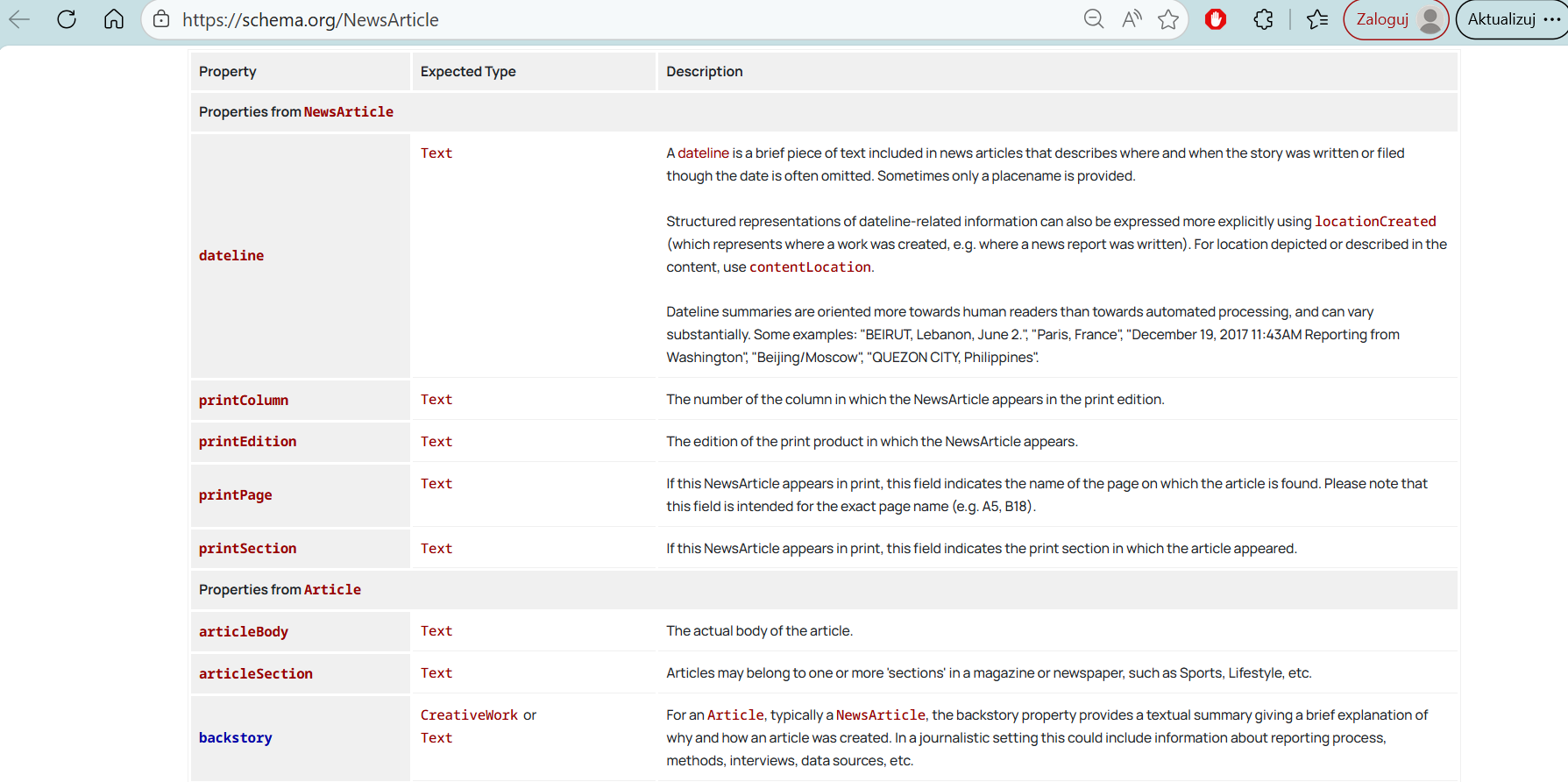
Your sitemap tells Google where the story is. Schema.org tells Google what the story is.
When a URL from your News Sitemap lands on a page with perfect NewsArticle schema, you create an unshakeable signal of authority. This is how you build E-E-A-T (Experience, Expertise, Authoritativeness, and Trustworthiness) in the code itself. When measuring that authority, it also helps to understand what SEO metrics like Ahrefs DR and Majestic TF actually mean. You aren't just hoping the AI understands you; you are handing it the dictionary.
Summary: Future-Proofing Your Sitemap
The sitemap is no longer a boring IT ticket. It is a strategic asset. It is the compass guiding Google through your best work, building trust with AI, and protecting your portal from disappearing into the noise.
Your Ultimate Strategy Checklist:
- Automation: Is it hands-free and real-time?
- Segmentation: Are you splitting maps by content type for better data?
- Hygiene: Are you purging redirects and 404s to save crawl budget?
- News Compliance: Are you strictly obeying the 48-hour / 1,000 URL laws?
- Schema Synergy: Does your sitemap point to pages rich in structured data?
Treat your sitemap with the respect it deserves, and the search engines will return the favor. It's all part of staying ahead of the curve, much like figuring out how to survive the AI shift in 2026.