polski
 español

 Magdalena Szypulska
In the first case, the reader gets a list of articles and picks what to read. In the second, they may get a ready-made answer, often with a few cited sources.
For a local news site, that can mean a reader learns what the city council decided without ever opening the story.
For years, search delivered the readers who drove pageviews, ad revenue and subscriptions.
As Google and AI assistants answer more questions directly, that bargain is changing. A news outlet can be used as a source, cited, even linked, and still never see the reader on its own site.
Is it worth chasing AI citations if they don't necessarily lead to a visit?
A citation isn't a visit
A Pew Research Center study found that when a Google results page included an AI summary, people clicked a traditional result in 8% of visits. Without a summary, they did so in 15%. Clicks on links inside the summary came in at about 1%.
A news outlet can appear in an answer and get very little traffic from it. Still, a citation can matter even without the click: someone asking about a simple fact has no reason to go to the source, but someone asking about causes, consequences or a comparison, or wanting to check the data, might.
A citation, a click, brand exposure and a conversion are four different things.
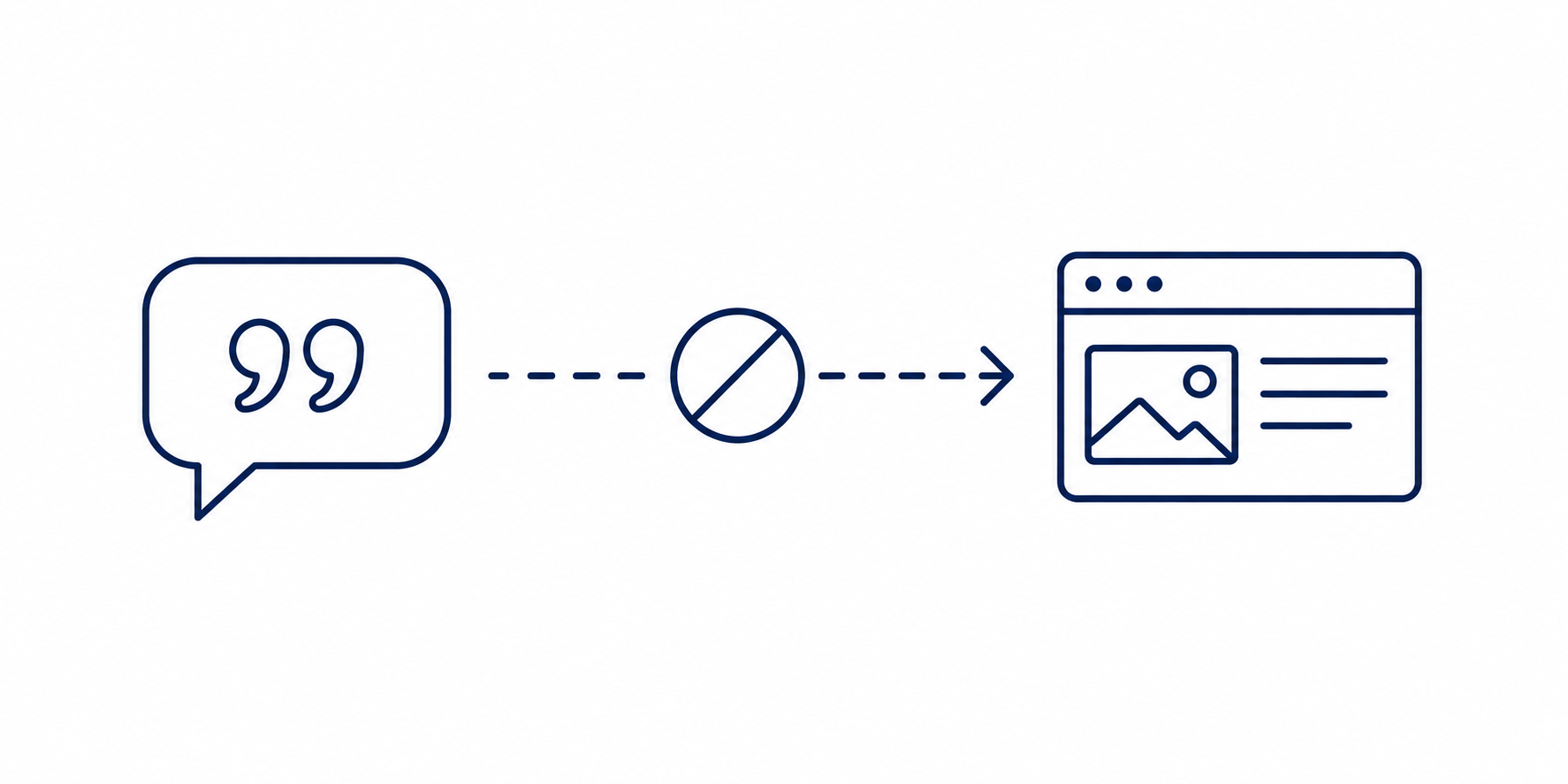
A citation tells you the outlet was used as a source. It doesn't tell you whether the reader visited, remembered the brand or became a subscriber, member or donor.
Each AI system works differently
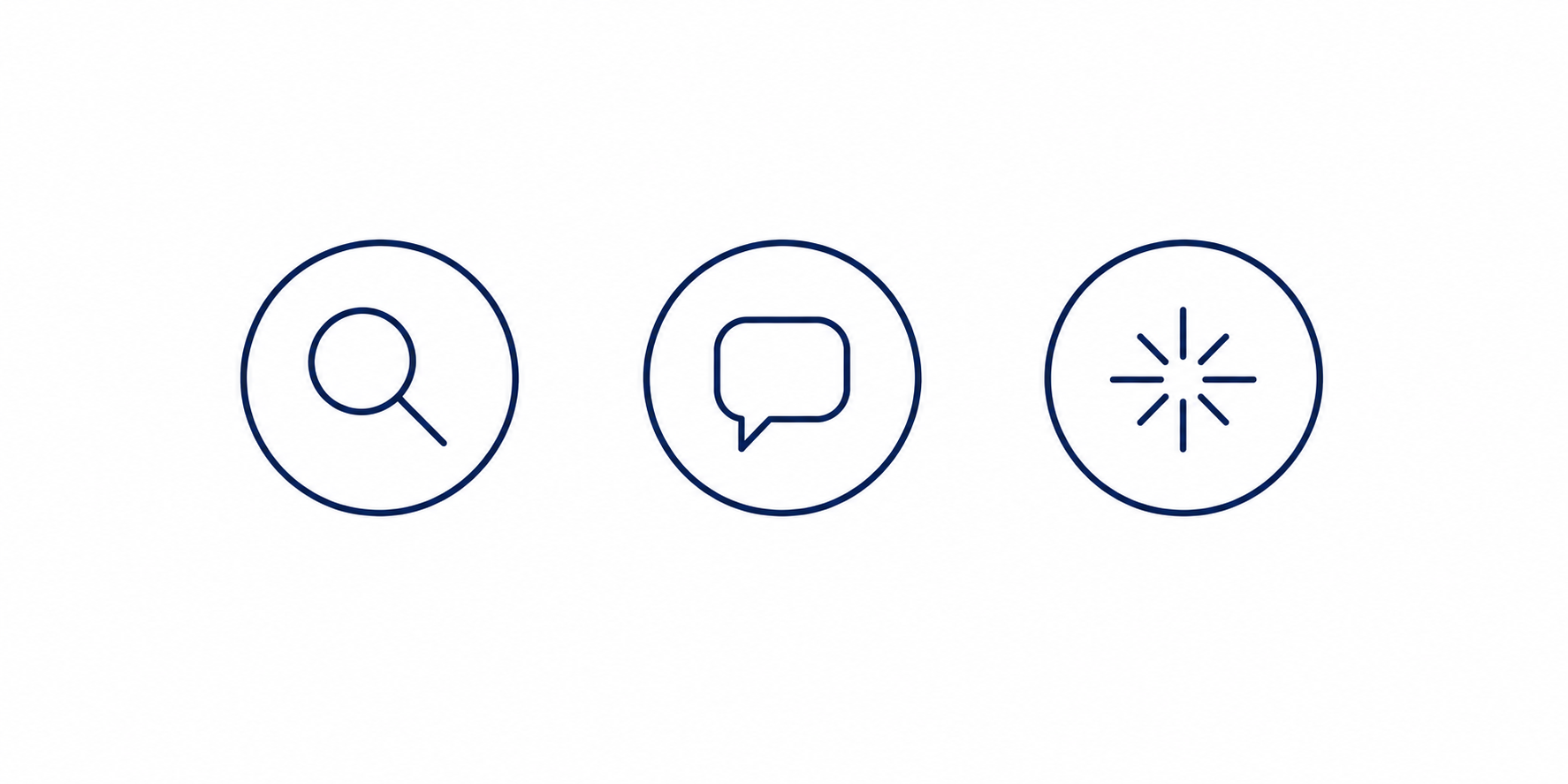
Perplexity puts its sources right in the answer, so readers can see where a fact came from and click straight through to the story.
ChatGPT often builds an answer from many sources at once, and the reader may never click on any of them.
Muck Rack's What Is AI Reading? tracked more than 25 million links cited by ChatGPT, Claude and Gemini. Journalism made up roughly a quarter of them, spread across more than 20,000 outlets, and it varied by question: prompts about industry trends cited journalism in 46% of responses, more than twice the rate of how-to and comparison questions. Axios ranked among ChatGPT's three most-cited domains in 13 of 17 industries, the only news outlet to reach the top three for any provider. The prompts focused on brands and industries, so they say little about local news.
Reddit, meanwhile, shows up near the top of many lists of most-cited sources, including 5W's synthesis of more than 680 million AI citations. So should a publisher open a Reddit account and post there solely to land in ChatGPT's answers? In the U.S., about a quarter of adults use Reddit, but only 9% of adults regularly get news there, compared with 38% on Facebook and 35% on YouTube. Local news is a different case: 52% of adults at least sometimes get local news from online forums like Facebook groups and Nextdoor.
In Google's AI Overviews, the answer appears directly in search results, so the reader may never open the source page.
In an Ahrefs analysis of 863,000 keywords, 38% of pages cited in AI Overviews ranked in Google's top 10 for the same query, down from 76% in the company's July 2025 study. Another 31% ranked between positions 11 and 100, and 31% outside the top 100.
A high ranking can still bring a click. The same page can also be used to answer a reader's question without a visit.
Check questions, not just stories
Start with the questions your readers ask, rather than with the stories already getting the most traffic.
For a local news site, that might mean questions about local development projects, home prices, transit, or decisions by the city council or school board.
For a business publication: the state of a particular industry, company earnings, forecasts, or the effects of regulatory changes.
For a consumer site: choosing a product or service, how to file a claim, what things cost.
You don't need hundreds of queries. A few dozen covering the topics your newsroom cares about are enough to see where your site appears.
Use the wording readers actually use: a broad one (“What's the latest on the downtown redevelopment plan?”), one tied to cost or impact (“How will the new school budget affect my property taxes?”), a comparison (“How do the two candidates for mayor differ on housing?”), plus the follow-ups the chatbot suggests.
For each question, check whether your site appears, which story is cited, whether the reporting is used and credited correctly, and whether the answer gives the reader a reason to open the story.
The citation itself can be wrong. A Columbia Tow Center test from March 2025, now over a year old, found that eight AI search tools gave incorrect answers to more than 60% of queries asking them to identify the source of a news excerpt. The tools have changed since then, but the underlying risk, that a citation names the wrong source, has not been retested at that scale.
Check the same questions again later. The answer and the citations may have changed.
A site may be cited hundreds of times for basic facts and barely appear on the subjects its newsroom covers most closely.
None of that is within an AI system's control, but a publisher's own news CMS is: it decides how easily a newsroom can manage URLs, redirects, sitemaps and structured data across hundreds of stories.
Some stories are worth more than a click
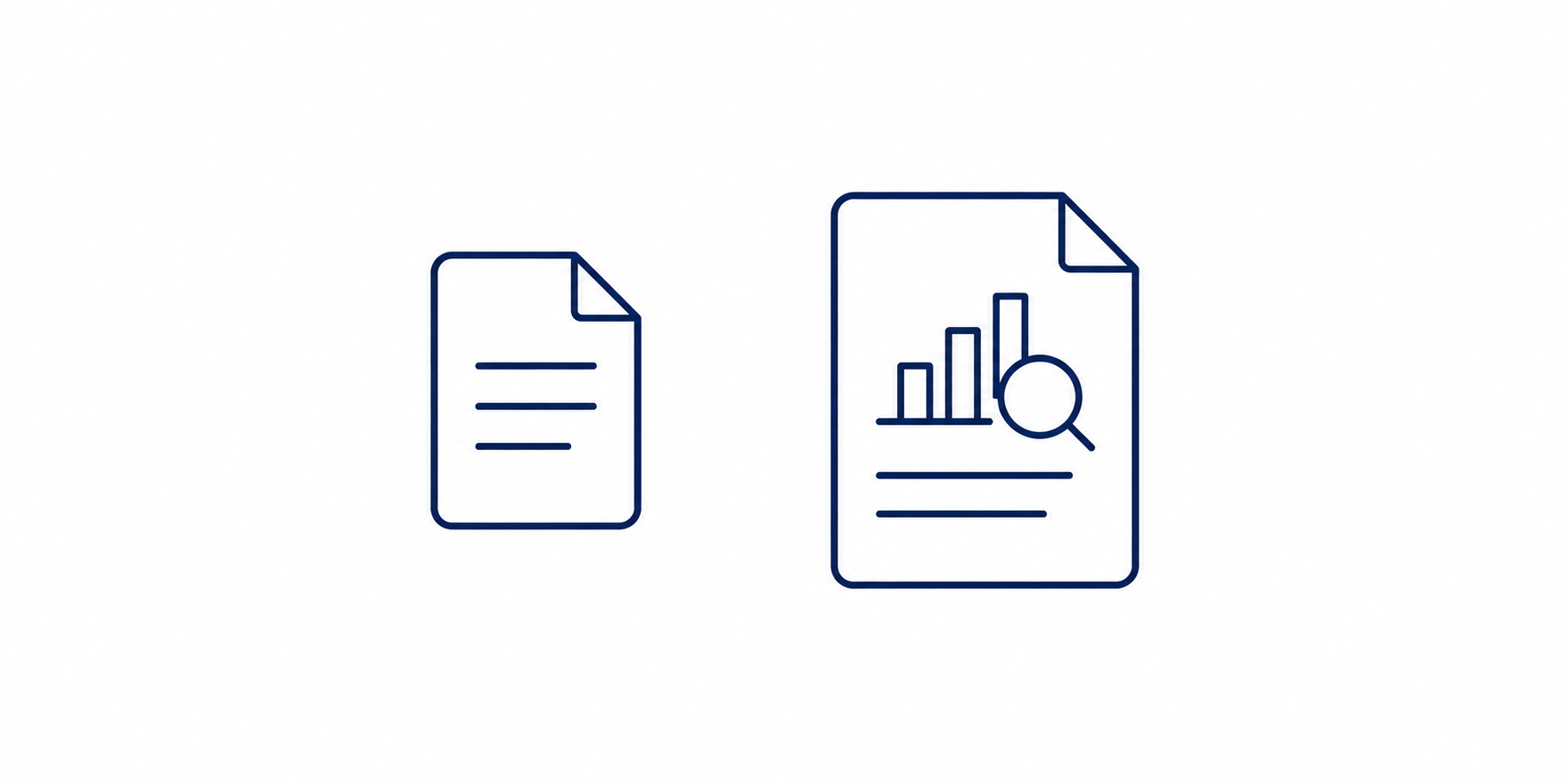
A short brief based on a wire story gives readers what they need in a few sentences, and AI can summarize it just as easily.
Original reporting is different. What readers can't get from a short summary is the data, poll results, interviews, documents and reporting behind the story. AI can quote the finding or summarize the conclusion. The underlying data, documents and full interview are still on the publisher's site.
How publishers are responding
The Reuters Institute's report Journalism, Media, and Technology Trends and Predictions 2026 points to growing investment in original investigations and reporting, analysis and explanation, and video. The same publishers also report producing less content that can easily be reproduced elsewhere, including simple service journalism and some evergreen material.
Chartbeat data cited in the Reuters report show organic Google traffic to more than 2,500 sites falling 33% globally between November 2024 and November 2025, and 38% in the U.S. Publishers expect search traffic to fall a further 43% over the next three years. Not all of that decline can be attributed to AI Overviews.
Chartbeat data shared with Axios show that small publishers (1,000 to 10,000 daily pageviews, a range that includes many local news sites) lost 60% of their search referrals over two years, mid-sized ones (10,000 to 100,000) lost 47%, and large ones lost 22%. ChatGPT referrals grew more than 200% over the past year, but chatbots still account for less than 1% of publisher referral pageviews.
Beyond citations: what to measure
Microsoft Clarity data on more than 1,200 publisher domains found that traffic from AI platforms was still under 1% of all traffic, though it grew strongly over the study period. On some of the sites studied, that traffic led to meaningful conversions more often than traffic from traditional channels.
That figure doesn't describe the whole market. Ten thousand visits from search may produce no signups, and a hundred visits from AI may produce a few newsletter signups or subscriptions.
Those figures are useful context. Your own traffic, audience and conversion data will tell you whether AI referrals matter for your site.
Look at where those visits come from, which stories generate them and what visitors do next. Our guide shows how to set up an AI traffic report in Google Analytics 4.
The paywall complicates things
The most valuable stories are also the ones publishers most want to put behind a paywall.
A publisher wants AI systems to know it has reporting on a topic, but doesn't want to give away all its value for free.
The lede, basic facts or main thesis can remain public. Detailed data, documents, the full analysis or an exclusive interview can stay behind the paywall.
Free and paywalled content also needs to be marked correctly. Google has its own mechanisms for this, based on structured data.
Schema.org or paywall markup isn't a switch that guarantees AI will cite the material.
Likewise, robots.txt doesn't solve the whole problem. It controls which crawlers can access your site, but it doesn't give you control over how every AI system uses information it finds on the web.
The llms.txt file was intended to help AI understand a site. Whether AI actually uses it, we covered in a separate article.
SEO or GEO?
GEO, or generative engine optimization (also called AEO), is a newer name for a problem publishers have dealt with for years.
SEO has always been partly about making content easy to find and understand, and making its source clear.
Now AI systems can use that content to build the answer itself.
For publishers, that still means clear headlines and subheads, specific answers, data, sources, bylines and a readable structure.
The article still needs to work for the reader first. Clear structure and visible bylines also make it easier for AI systems to identify where the reporting comes from.
Google itself says there are no special technical requirements for appearing in AI Overviews or AI Mode. For publishers, GEO is best understood as another way of thinking about search visibility, not a separate technical discipline that replaces SEO.
ChatGPT also has advertising: ads are running in the U.S., separately from the answer and its citations.
Which citations are worth having
For a simple fact, a citation may amount to little more than the publisher's name in the answer. A citation to original data, an investigation or an exclusive interview is different. It puts the newsroom's work in front of someone who might otherwise never see it.
The citations worth paying attention to are the ones tied to original data, documents, interviews and reporting done on the ground. The real question for a publisher is not how many AI citations it can get, but whether those citations lead readers back to reporting that's worth paying for.