polski
 español

 Magdalena Szypulska
For marketers and publishers, this isn't just a feature update—it is the dawn of a new era: Generative Engine Optimization (GEO). Just as they said radio would kill print too, a guide to surviving AI in 2026 shows that adaptation is key.
The rules have changed. It is no longer about getting a user to click a link; it’s about becoming the source that the AI cites in its answer. Here is everything you need to know to navigate this shift, protect your traffic, and adapt your strategy to the new reality.
In Brief: The Executive Summary (FAQ)
What are Google's new AI features? Google has introduced two game-changers: AI Mode, an interactive, conversational assistant for deep diving into complex topics, and AI Overviews (AIO), which are automatic, AI-generated summaries that appear at the very top of search results.
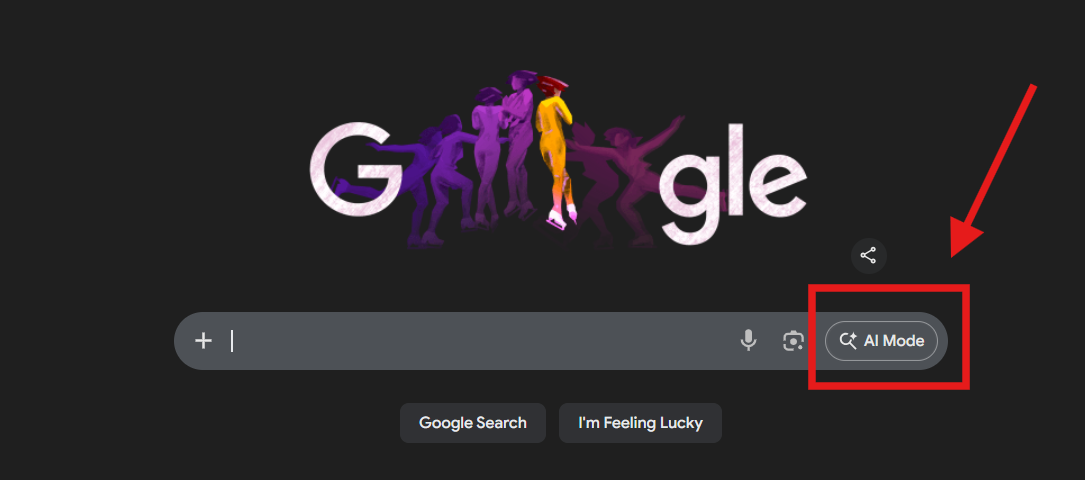
How do I access AI Mode? You can activate it directly via google.com/ai, through a dedicated tab in search results, or via the Google app. It supports long-form questions, voice interaction, and visual search (Google Lens).
What is the difference between AI Mode and AI Overviews? AI Mode is an active, separate environment for research and conversation—you have to choose to enter it. AI Overviews are passive; they appear automatically in standard search results to summarize information for you.
How does this kill traditional SEO? Traditional SEO is evolving into GEO (Generative Engine Optimization) and AEO (Answer Engine Optimization). The goal is no longer just ranking #1, but being the cited source in the AI's answer. The "zero-click" reality—where users get answers without leaving Google—is becoming the standard. If you're already losing traffic, check out the 10 reasons why you might be invisible on Google and how to fix them.
What is the "Traffic Apocalypse" for publishers? Media outlets face a significant drop in organic traffic because AI aggregates and summarizes their content. This forces a pivot to new business models: subscriptions, newsletters, and diversified revenue streams via specialized platforms.
Table of contents
- How to Use Google’s New AI Brain
- Under the Hood: How the New Search Works
- The Paradigm Shift: From SEO to GEO and AEO
- The Playbook: Strategies That Actually Work in the Wild
- Publishers and the "Traffic Apocalypse"
- The Technical Solution: Why Your CMS Matters More Than Ever
- Preparing for the Future
How to Use Google’s New AI Brain
Artificial Intelligence is no longer a gimmick; it is the engine under the hood. Understanding how to interact with it is the first step to optimizing for it. But remember, a fast engine needs a solid foundation, which is why Google Core Web Vitals remain essential.
AI Mode: Your Personal Research Assistant
AI Mode turns search into a dialogue. It is designed for complexity—planning a trip, understanding quantum physics, or comparing mortgage rates.
How to activate it?
- Direct Access: Go to google.com/ai.
- From Search: Click the "AI Mode" tab after running a query.
- Mobile: Tap the AI Mode icon in the Google app.

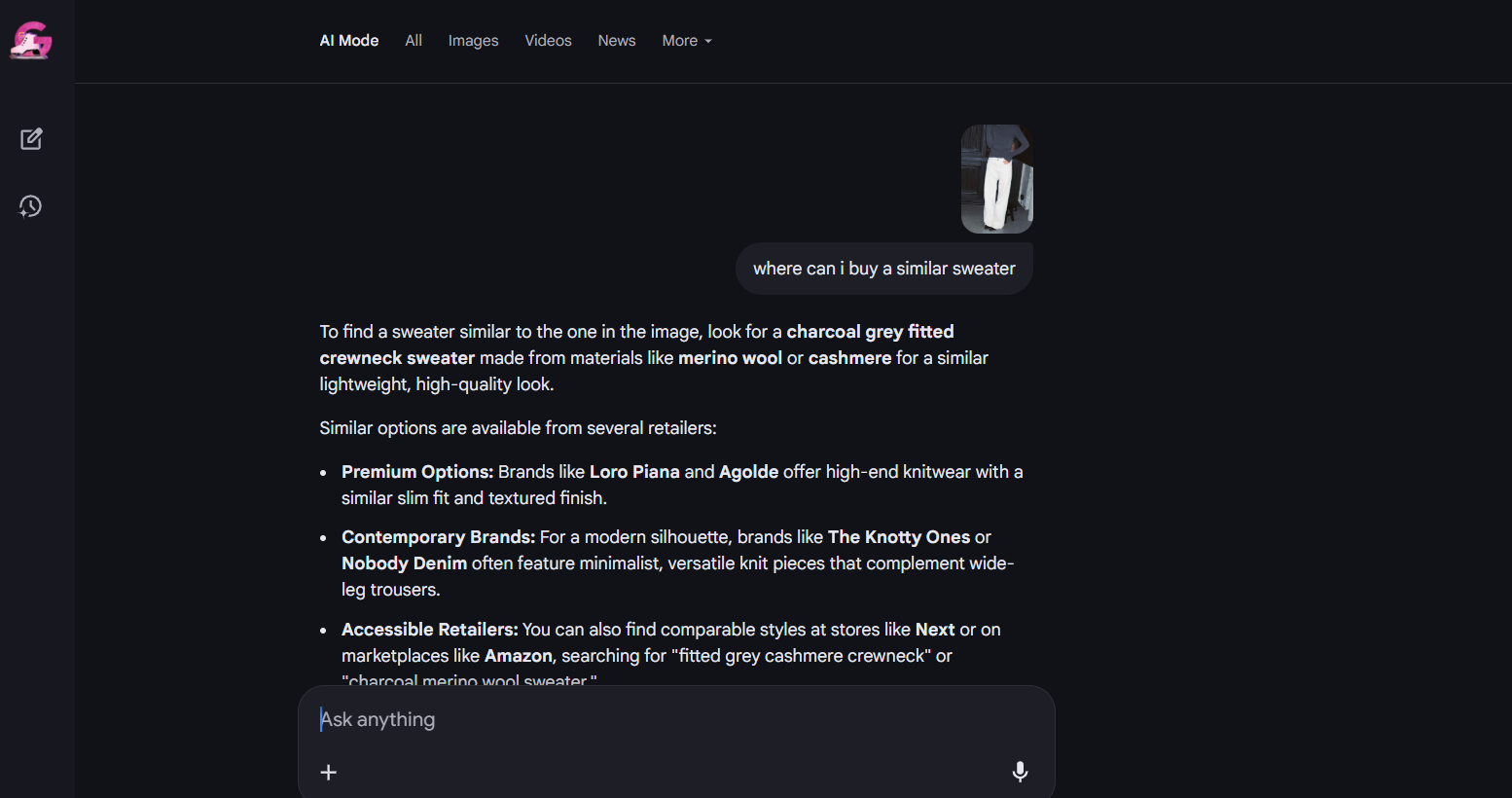
Conversational Search Forget keywords. You can now talk to Google like you would an expert. Instead of searching for "blockchain definition," you can ask: "Explain blockchain technology to me using simple analogies, like a shared ledger in a village."
Multimodal Capabilities AI Mode sees and hears.
- Voice: Speak your complex queries naturally.
- Vision: Snap a photo of a strange bug in your garden and ask, "What species is this, and is it harmful to my tomatoes?" This capability is poised to revolutionize e-commerce discovery.
AI Overviews: The "Too Long; Didn't Read" of Search
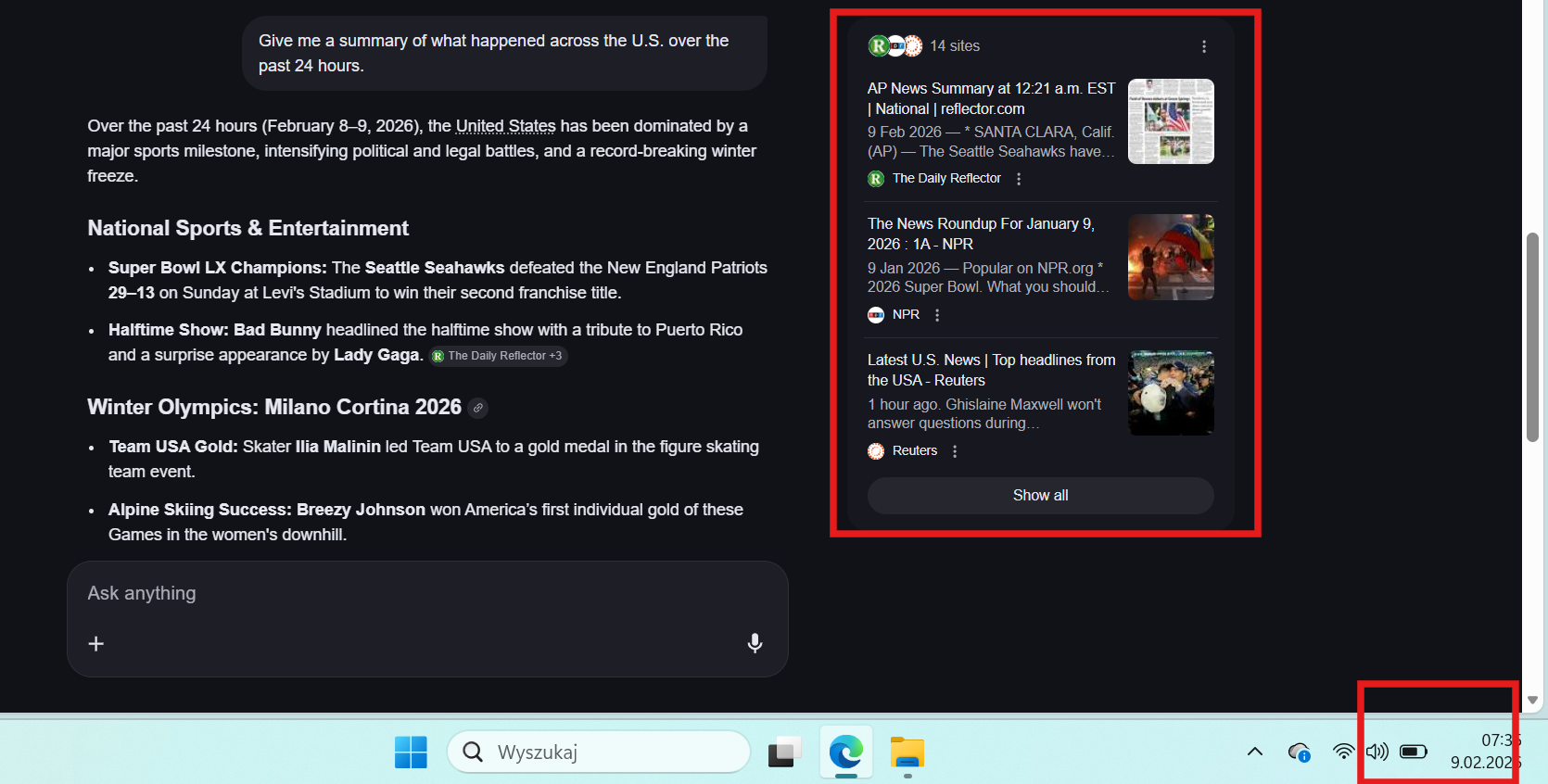
AI Overviews (AIO) are the summaries you see at the top of the results page. They activate automatically when Google determines it can synthesize an answer from multiple top sources.
- The User Benefit: Instant answers without tab-hopping.
- The Web View: Traditionalists can still scroll down or use the "Web" filter to see standard links.
A Note on Accuracy: AI is still learning. "Hallucinations" happen. While powerful, AI-generated answers should always be verified, especially regarding health (YMYL) or finance.
Under the Hood: How the New Search Works
What powers this new experience? It’s not just a faster algorithm; it’s a different kind of intelligence.
The Power of Gemini AI Mode runs on custom versions of Google's Gemini models. These provide the reasoning capabilities required to handle multi-step logic.
The "Query Fan-Out" Mechanism This is the secret sauce. When you ask a complex question, AI Mode breaks it down into dozens of smaller, specific sub-queries. It runs these in parallel, gathers the data, and synthesizes it into a single, coherent answer. It effectively does an hour of research in seconds.
Understanding Meaning, Not Just Keywords Thanks to semantic search and vector technology, Google understands the intent behind your words. It doesn't look for exact string matches; it looks for conceptual matches. It breaks web pages down into logical fragments and reassembles them to answer the user's specific need.
The Paradigm Shift: From SEO to GEO and AEO
This is the biggest disruption in digital marketing in two decades. Traditional SEO metrics are bleeding relevance.
The Death of CTR? In a "zero-click" world, where the AI answers the user immediately, the Click-Through Rate (CTR) becomes a secondary metric. Preliminary data suggests that in AI Mode, zero-click searches could exceed 90%. Even with standard AI Overviews, CTRs for organic links are dropping by 15–35%.
To make matters worse, Google Search Console currently blends AI Mode data with traditional search data, creating an analytical blind spot for marketers trying to diagnose traffic drops. To make sense of the chaos, you need a technical guide to Google Analytics 4 and Search Console.
Meet the New Disciplines:
- AEO (Answer Engine Optimization): Optimizing content to be the direct answer in AI snippets.
- GEO (Generative Engine Optimization): A broader strategy of structuring data and content to be trusted and cited by generative models. The foundation of this is E-E-A-T (Experience, Expertise, Authoritativeness, Trustworthiness).
The Playbook: Strategies That Actually Work in the Wild
Adapting to GEO isn't just about tweaking meta tags. It requires a fundamental shift in how you build authority. Here are the strategies that are currently moving the needle.
1. Become an Entity, Not Just a Website
AI models operate on confidence. To be cited, the AI must trust that you are the authority on a specific subject. This is called Entity Association Building.
Think of it like building a reputation in a small town. If you try to be the expert on plumbing, baking, and stock trading all at once, no one trusts you. But if you focus entirely on one cluster—say, "Sustainable Coffee"—and cover every angle from bean sourcing to brewing temps, the AI connects your brand entity directly to the topic "Coffee."
The Tactic: Build tight, comprehensive topic clusters. Don't wander. Force the AI to associate your brand name with your core topic mathematically. This clustering approach is the core of site structure optimization to build an architecture that Google loves.
2. Be the Source, Not the Echo
AI is essentially a summarization engine. If your content just summarizes other people's work, the AI has no reason to cite you—it will just cite your sources. To win, you must create Citation-Worthy Content.
- Original Research: Publish data that doesn't exist elsewhere.
- Expert Interviews: Get quotes that AI can't hallucinate.
- Contrarian Takes: If everyone says "X is good," explain why "X might fail."
Be the primary source that other humans reference. When the AI sees humans citing you, it learns to cite you too.
3. The Multi-Model Landscape
Not all AI is built the same. Optimizing for Google's Gemini requires a different touch than optimizing for ChatGPT. Here is how to tailor your content for the current ecosystem:
- ChatGPT: This model is a conversationalist. It hates dry, bullet-point lists (the "listicle era" is dead here). It favors detailed, conversational explanations that flow naturally. Treat it like explaining a concept to a smart colleague over lunch.
- Claude: Think of Claude as the philosopher. It rewards nuance and complexity. Content that acknowledges grey areas ("It depends on X and Y") performs better than simplistic binary answers. It wants well-sourced, balanced takes.
- Perplexity: This is the news junkie. It weights recency heavily (up to 3x higher than other factors). If your content isn't dated recently and backed by fresh research, Perplexity ignores it.
- SearchGPT: The new kid on the block. Early data suggests it looks for consistent cross-platform authority. It checks if you are saying the same thing on your blog, LinkedIn, and YouTube.
- Gemini (Google): The librarian. It is obsessed with the Knowledge Graph. It cares less about style and more about entity relationships. It needs to see clear connections between "Author," "Brand," and "Topic."
4. The "Third-Party" Paradox
Here is a hard pill to swallow: You can rank #1 on Google and be invisible in AI answers. How is that possible?
Insights from AI tracking tools like Meridian have revealed a startling gap. AI tools often view your own website as "biased marketing." To verify facts, they look for consensus in third-party coverage—reviews, industry articles, and forum discussions.
The Reality Check: You might be obsessing over your on-page SEO, while your competitor is stealing the AI answer because they are cited in 50 niche blogs and Reddit threads that you ignored.
The Fix: Shift focus to Digital PR. You need external validation. If the internet isn't talking about you, the AI doesn't trust you, no matter how good your rankings are. When acquiring these external links, it's vital to know what SEO metrics like Ahrefs DR and Majestic TF actually mean when buying sponsored articles. You'll also need to ensure these placements are properly attributed by using the canonical tag in sponsored content.
Publishers and the "Traffic Apocalypse"
Media outlets are on the front lines. AI Mode aggregates news, often removing the need for a user to click through to the source. Predictions warn of traffic losses up to 40%. Currently, publishers face an existential dilemma: allow Google to use their content for AI summaries, or de-index completely and vanish from search. If you choose to stay, make sure your URLs are clearly defined by reading the ultimate guide to URL structure for SEO, and help bots find your latest updates by implementing the modern sitemap in practice.

The Strategic Pivot Publishers can no longer rely solely on ad revenue driven by pageviews. Survival requires diversification:
- Direct Audience Relationships: Owned channels like newsletters and subscriptions.
- Automated Monetization: Using platforms like Ads4media.online to diversify revenue. This tool connects local publishers with advertisers for sponsored content and link building, automating sales processes that used to require manual effort. If you are producing these advertorials yourself, brush up on how to write a good sponsored article. And if you lean on AI for drafting, always keep in mind the 10 things you should know about ChatGPT before writing articles.
- High-Value Content: Focusing on investigative journalism and deep analysis—content that AI cannot easily replicate or summarize without losing value.
The Technical Solution: Why Your CMS Matters More Than Ever
We've talked about strategy, but let's talk about the engine. Media outlets are facing a "Traffic Apocalypse." With AI Mode taking up to 40% of organic traffic, publishers are in a bind. You need to publish faster, monetize the remaining traffic better, and ensure your site's structure is flawless for AI crawlers.
This is where a specialized tool like CMS4Media becomes your survival gear.
What is CMS4Media?
Think of it not just as a website builder, but as a specialized operating system for news portals and local media. While generic platforms like WordPress struggle under the weight of dozens of plugins (slowing down your site and hurting AI visibility), CMS4Media is built for speed and revenue generation out of the box.
How It Solves the "AI Era" Problems
- Reclaiming Revenue: If AI is stealing your traffic, you need to monetize the loyal users you do keep. CMS4Media comes with a built-in Paywall and Registration Wall, allowing you to create premium subscriber tiers instantly. It also integrates a Data Management Platform (DMP), which profiles your users so you can serve them better-targeted ads with higher click-through rates.
- Automated Growth: It seamlessly connects with Ads4media.online—a platform that links publishers with advertisers. This means you get a steady stream of sponsored content offers and ad campaigns without lifting a finger.
- Speed and Efficiency: Speed is a ranking factor for AI. Partners using CMS4Media report spending 20% less time on publishing tasks. More importantly, they’ve seen a 45% increase in unique readers and a 32% boost in ad revenue simply by switching to a system designed for media performance.
- No-Code Control: With a widget-based page builder, you can drag-and-drop elements like weather forecasts, obituaries, classifieds, or breaking news banners without needing a developer. This agility allows you to adapt your site's layout to whatever new format Google throws at you next.
Preparing for the Future
The introduction of AI Mode is a revolution. For SEO specialists, it means shifting priorities from "optimizing for spiders" to "creating knowledge bases for machines."
For publishers, it means upgrading your infrastructure. You can no longer afford a slow site or a passive monetization strategy. Tools like CMS4Media provide the technical backbone—the speed, the structure, and the revenue diversity—that allows you to focus on what AI can't do: creating real, human journalism.